Embarking on a keto journey often means saying goodbye to most fruits—yet what if you could include a handful of fiber-rich, fat-burning fruits that align with your low-carb lifestyle? Yes, it’s possible. In this deep-dive, you’ll discover seven high-fiber keto fruits that support fat-burning, digestion, and overall wellness while staying within your carb limits. We’ll break down how they work, why fiber matters, how to fit them into your macros, and avoid the pitfalls. Ready?
Read Also keto fruits to avoid: Top 7 Fruits to Avoid on the Keto Diet
Why fiber matters on keto (and fat burning)
Fiber tends to get overlooked in keto conversations, but it plays a starring role in how efficiently your body burns fat, regulates hunger, and keeps your gut running smoothly. Think of fiber as the “traffic controller” in your metabolism—it slows digestion, regulates the release of nutrients, keeps blood sugar stable, and helps your body shift into fat-burning mode more effectively. On a standard American diet, most people fall short of the recommended fiber intake. On keto, where carbs are restricted, neglecting fiber can lead to constipation, sluggishness, plateaus, and less efficient fat burning.
Scientific sources underline the point: fiber-rich, low-net-carb fruits like berries are specifically recommended for keto because they deliver both low glycemic load and meaningful fiber. (Diet Doctor) When your body is in ketosis, it’s burning fat for fuel—but that doesn’t mean you should skip fiber. In fact, fiber supports the metabolic environment for fat burning: it helps you feel full, reduces cravings, moderates insulin response, and can push your body to rely more on stored fat rather than shifting back to carbs.
Additionally, from a fat‐burning perspective, fiber helps maintain the health of your gut microbiome, which recent research suggests plays a role in energy metabolism and body composition. So when you choose fruits that are high in fiber yet low in net carbs, you’re stacking the deck in your favour: you get micronutrients + fiber + low carb load. This is where our “7 high-fiber keto fruits” list comes in. We’ll walk through each one, explaining what makes it a smart pick, how to portion it, how it supports fat burning, and how to incorporate it into your keto routine.
How to choose keto-friendly fruits: net carbs, portion size & fiber
Before we jump into the list, let’s cover how to evaluate fruits for keto. It’s not simply “low carb,” because many fruits still spike blood sugar; the smart picks offer low net carbs (total carbs minus fiber) and decent fiber. Here are the key criteria:
- Low net carbs: On keto, you’ll aim for perhaps under 20–30 g of carbs a day depending on your plan. A fruit that adds 10 g net carbs is a big chunk. You want ⪅ 5–8 g net carbs ideally from fruit.
- High fiber: Ideally 3–8 g of fiber (or more) per serving from the fruit. This helps reduce net carbs and boosts fullness/satiety. Some keto-friendly fruits deliver ~6-8 g fiber. (Diet Doctor)
- Low sugar / moderate sweetness: Because higher sugar = higher carb.
- Micronutrient value + health benefits: It’s a bonus if the fruit also brings vitamins, antioxidants, and supports metabolism.
- Portion control & timing: Because even low-net-carb fruit can tip you over if you overeat. Use them as complements not the main event.
When you evaluate a fruit, ask: “How much fiber does it give me? What’s the net carb cost? Does the portion fit my daily limit?” If the fruit checks the boxes, it can be a smart addition to your high-fiber keto arsenal.
Now that you have the filter, let’s go through the seven top picks for high-fiber keto fruits.
1. Avocado
Avocado often doesn’t feel like a “fruit” in the typical sweet-snack sense, but botanically it is—and for keto it’s a superstar. A medium 150 g avocado holds about 12.8 g total carbs and 10 g of fiber, which leaves only around 2.8 g net carbs. (Medical News Today) It also packs monounsaturated fats, potassium, vitamins, and plant phytonutrients.
Why it boosts fat burning:
- The high fiber means slower digestion, less insulin spike, more stable energy.
- The healthy fats support the high-fat keto macros and encourage the body to burn fat for fuel.
- Because it’s so satiating (thanks to fiber + fat), you’re less likely to snack on carb/processed foods that impede ketosis.
- The net carb remains very low—easy to fit into your daily limit without derailing.
How to use it:
Slice half an avocado into a salad with olive oil and lemon for breakfast. Or make a keto-friendly avocado mash seasoned with garlic and herbs, paired with low-carb veggies. You can also add chunks of avocado to your smoothie (spinach + almond milk + protein powder) for a fiber-rich boost. Because the net carb cost is so small, it’s a safe “fruit” pick any day. Just remember portion size: sticking to half or one medium fruit keeps things in check.
Pro tip: Pair avocado with leafy greens or broccoli to further amplify fiber and micronutrients, and drink plenty of water—fiber needs fluid to move well.
2. Raspberries
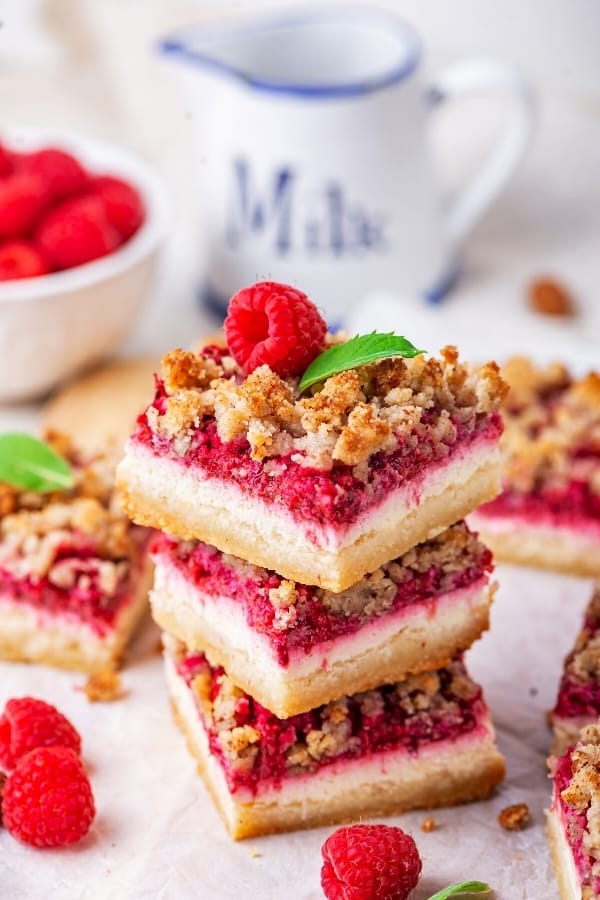
Next on the list: raspberries. These berries are delightful, tangy, and absolutely useful in a keto fat-burning plan. A 1-cup serving (~123 g) contains roughly 14.7 g carbs and 8 g fiber, leaving about 6.7 g net carbs. (Medical News Today) They also bring vitamin C, manganese, and antioxidants.
Why they work:
- The high fiber relative to carbs means you get more “bang” for your carb budget.
- Berries are lower glycemic, so they’re less likely to throw your ketosis off.
- They add variety—sweet without being sugar-bombs—so you’ll stick to your diet longer, which matters for fat-burning momentum.
How to use them:
Add a half-cup raspberries to plain Greek yogurt and a little stevia for a dessert-style snack. Or toss them in your almond-flour pancake batter for breakfast. Use them as a topping for chia-seed pudding so you still hit fiber and fat. Because they have more net carbs than avocado, you’ll want to count them carefully—but treat them as a smart “treat” rather than free-ranging snack.
Pro tip: Freeze raspberries and blend into an icy “sorbet” texture with unsweetened almond milk and a drop of vanilla—fiber-rich, satisfying, fully keto-friendly.
3. Blackberries
Blackberries are another berry that punches above its weight—excellent fiber, reasonable net carbs. Some sources report that 1 cup of blackberries offers nearly 8 g of fiber and a low net carb count. (Health) Because they’re darker and richer in phytochemicals (those “good plant compounds”), they offer antioxidant support as well.
Why they’re a smart pick:
- High fiber means better fullness, slower digestion, reduced cravings.
- The phytochemical load supports recovery and metabolic health—which indirectly supports fat burning by reducing inflammation, improving insulin sensitivity.
- They’re low enough in net carbs to be included sometimes, which means you can enjoy “fruit” without sabotage.
How to use them:
Have a small bowl (½-cup) of blackberries after dinner instead of a sugary dessert. Or mix into your cottage-cheese + chopped walnuts as a sweet-savory combo. You could even stir them into an overnight oats substitute using chia seeds and coconut milk (keeping total carbs low). Because blackberry total carbs are higher than avocado’s net carbs, again portion control is key.
Pro tip: Pair the berries with a source of fat (like whipped coconut cream) to slow digestion even more and stabilize your keto state.
4. Strawberries
Strawberries are perhaps the most “favored” fruit on many low-carb snacks lists—and for good reason. A 1-cup (152 g) serve of strawberries delivers about 11.7 g carbs and 3 g fiber, leaving ~8.7 g net carbs. (Healthline) While that net carb is higher than some berries, strawberries still qualify for many keto plans—especially if used intelligently.
Why they make sense:
- They bring sweetness and satisfaction—useful on keto so you don’t feel deprived.
- They deliver fiber, vitamin C, and antioxidants—so they’re not just empty carbs.
- Because they’re popular, many people can sustain using them long-term without feeling they’ve “given up” fruit entirely—a sustainability win for fat-burning.
How to use them:
Slice ½-cup of strawberries and top your keto-friendly pancakes (almond flour) or mix into a salad with spinach, pecans, and balsamic vinegar. Or eat a few with a square of dark chocolate (90% cacao) for a sweet & satisfying snack that stays reasonably low-carb. If your full carb budget is tight, keep the serving small and pair with high-fat foods.
Pro tip: Watch the pairing—if you add honey, maple syrup, granola, etc., you can easily blow the carb budget. Keep it minimalist: fruit + fat = staying in ketosis.
5. Lemons (and limes)

You might think citrus fruit automatically equals sugar spike, but lemons and limes are excellent keto companions. For example, one lemon has about 6 g carbs and around 1.8 g fiber, so net carbs ~4.2 g. (Medical News Today) While they are not eaten in the same volume as berries, their value comes in flavor, utility, and micronutrient support.
Why include them:
- They help you flavor meals without adding sugar—so you stay on track instead of craving sweet sauces or dressings.
- The fiber, albeit modest, adds incremental benefit.
- The acidity and flavor profile can help modulate appetite and digestion—helping you stay in fat-burning mode.
- They’re very low net carb relative to many fruits, so you can integrate slices or juice with minimal impact.
How to use them:
Use lemon juice to dress your salad, or add slices of lemon/lime to water to boost hydration and flavor (which supports metabolism). Squeeze lemon over grilled salmon or avocado salad to pair healthy fats + fiber + flavor. Try a keto-friendly lemon-berry smoothie to combine your fiber fruits with lemon zing.
Pro tip: If you’re using lemon as juice, measure the amount: 1 tbsp adds some carbs (though still modest) and flavor—so you can stay aware and maintain your balance.
6. Olives

Yes, olives are fruits too. And yes—they deserve a spot in a keto fat-burning arsenal. While their fiber may not rival berries, they shine because they deliver healthy fats, low net carbs, and some fiber. According to (Verywell Health) olives are among recommended fruits for keto.
Why they matter:
- They are high in monounsaturated fats, which support a fat-burning metabolic state.
- Low in carbs, making them very friendly for keto macros.
- They contribute variety—many people get bored of only berries, so olives give a savoury fruit option.
- Their fiber (though modest) adds to your total daily tally, helping support digestion and satiety.
How to use them:
Have a small bowl of olives with rolled-up turkey slices and cheese for a quick keto snack. Add chopped olives to your spinach salad with feta, cucumber and olive oil dressing. Even blend olives into a tapenade and spread on almond-flour crackers for a fiber/healthy-fat snack.
Pro tip: Choose high-quality olives (not soaked in sugary brines or additives). Also monitor sodium—the brined versions may be high, and hydration plays a role in fat-burning and digestion.
7. Kiwi (in controlled portions)
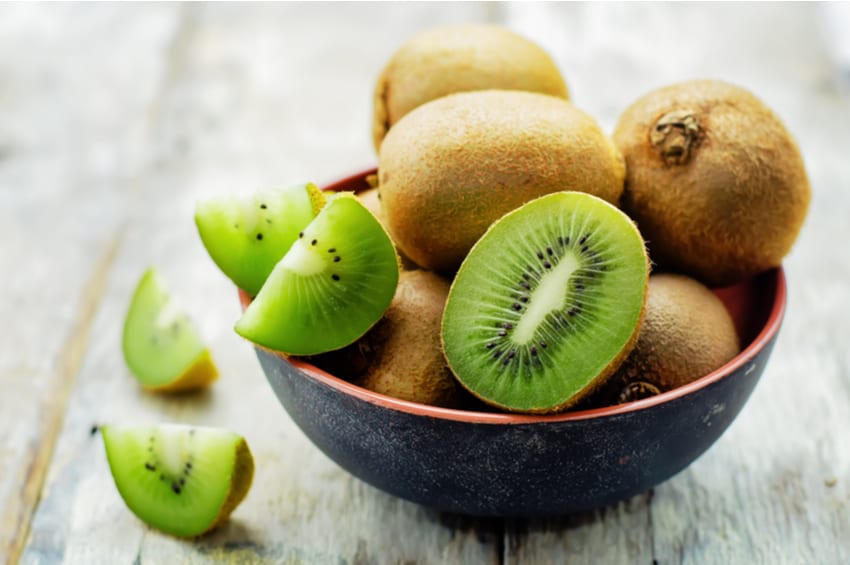
Now we stretch the boundary slightly—but with caution. According to one source, a kiwi (medium size) offers both soluble and insoluble fiber and supports digestive and cardiovascular health. (Health) On keto it can be used sparingly when you have room in your carb budget. Although its net carbs are higher than berries, if you plan for it, you can fit it in.
Why consider it:
- It offers fiber, vitamins (especially Vitamin C), and uniquely supports digestion through its dual-fiber profile (soluble + insoluble).
- It offers variety—sweet-tart flavor, which helps with dietary adherence (you’re less likely to “binge” on something forbidden if you allow a small portion of something you enjoy).
- The digestive support and micronutrient boost indirectly support your fat-burning engine (better gut health = better metabolism, better recovery).
How to use it:
Have half a kiwi sliced over plain Greek yogurt + chia seeds + a few raspberries. Use it as a flavour boost rather than the main fruit portion. Keep the serving small (¼–½ kiwi) if your carb allotment is tight. Pair it with healthy fats (nuts, almond butter) to blunt any glycemic impact.
Pro tip: Use kiwi only occasionally—not as daily fruit—and always stay within your carb target. Track it as part of your total daily carbs so you don’t accidentally knock yourself out of ketosis.
Putting it all together: sample day & macro mindset
Let’s walk through a sample day to illustrate how you could use these high-fiber keto fruits without blowing your carb budget—and how they enhance fat burning, satiety, and metabolism.
Sample day (2000-calorie keto plan, ~25 g net carbs/day)
Breakfast:
- 2 scrambled eggs cooked in butter
- Half an avocado (≈2.8 g net carbs)
- Spinach salad with lemon juice
- Coffee with heavy cream
Fiber from the avocado + glass of water = strong start
Morning snack:
- ½ cup raspberries (≈4–5 g net carbs) + 1 tbsp almond butter
Fiber boost, sweet fix, minimal carbs
Lunch:
- Grilled salmon
- Mixed greens salad with olives (≈2–3 g net carbs) + feta + olive oil
- Lemon juice dressing
Healthy fats + fiber + green veg
Afternoon snack:
- ½ cup blackberries (≈3–4 g net carbs) + handful walnuts
Sustained energy, less hunger
Dinner:
- Zucchini noodles (low carb) + chicken
- Side of sautéed broccoli
- Dessert: ¼ kiwi slices + whipped coconut cream (≈2–3 g net carbs)
Sweet ending without cheating
Total net carbs: approx 16–17 g (leaving buffer for incidental carbs). Fiber from fruits + vegetables easily 12–15 g, helping fullness and gut health.
Macro mindset & tips for fat burning
- Prioritize healthy fats (avocado, olives, salmon, nuts) — they help your body stay in fat-burning mode.
- Use the high-fiber fruits not as huge piles, but as strategic inclusions—tiny portions that give flavor, fiber, micronutrients, satisfaction.
- Pair fruit with fat to slow digestion and reduce glycemic impact (e.g., berries + almond butter, kiwi + coconut cream).
- Monitor your total net carbs and stay consistent—variability can knock you out of ketosis (which slows fat burning).
- Stay hydrated and get enough salt/minerals—on keto, water + electrolytes support metabolic rate and digestion (fiber needs water!).
- Use fiber-rich vegetables in addition to these fruits—don’t rely solely on fruit for fiber (see sources like collard greens, cauliflower) (jamesvito.com)
- Track how you feel: energy levels, hunger, fat loss progress. Adjust fruit servings if you plateau or feel excessively hungry.
Common mistakes & how to avoid them
Even when you pick the right fruits, mistakes can blunt fat-burning progress. Let’s cover some traps and how to steer clear.
Mistake 1: Assuming “fruit = bad,” so avoiding entirely
While it’s true many fruits are high in carbs, dismissing all fruits means you lose out on fibre, micronutrients, and dietary variety. The seven fruit picks here demonstrate that you can include fruit and stay keto-friendly—which helps sustain your diet longer and supports metabolism.
Mistake 2: Eating large portions without tracking
Even a keto-friendly fruit becomes counter-productive if you eat too much. For example, a full cup of strawberries may have ~8.7 g net carbs. If you consume two cups, that’s ~17–18 g net carbs—already a large portion of your daily limit. Portion control is key.
Mistake 3: Not counting “hidden” carbs
Fruit toppings, smoothies, yogurts with fruit—they add up. A smoothie with half a banana (higher carb) plus berries might push you over the edge. Ensure you still calculate net carbs properly and stick to your target.
Mistake 4: Ignoring fiber from other sources
Relying solely on fruit for fiber is risky. You need fiber from vegetables, seeds, nuts, and other low-carb foods. This supports digestion and prevents constipation, which is a common issue on keto. (jamesvito.com)
So combine your fiber-rich fruit choices with high-fiber veggies, chia seeds, flaxseed, etc.
Mistake 5: Expecting fruit alone to “burn fat”
Including high-fiber keto fruits is supportive—but they’re not magic. Fat burning still requires overall calorie management, sufficient protein, healthy fats, good sleep, and physical activity. Think of the fruits as smart tools in your fat-burning toolbox—not a single solution.
How fiber supports metabolic health & fat burning (science corner)
Let’s dig a little deeper into how fiber supports fat burning from a physiological and metabolic viewpoint.
Slower digestion & steadier blood sugar
Soluble and insoluble fiber slow the transit of food through your digestive tract, modulate the absorption of nutrients, and prevent rapid spikes in blood sugar. That means less insulin triggered—which helps your body stay in a fat-burning state rather than switching to carb-burning. Sources like berries and avocado deliver fibre that lowers net carbs and slows absorption. (Medical News Today)
Gut microbiome & energy extraction
Recent research indicates that fiber supports a healthy gut microbiome, which in turn influences energy metabolism, fat storage, inflammation, and insulin sensitivity. While the research is still emerging, it suggests that higher fibre diets correlate with improved metabolic outcomes, which help fat burning.
Satiety, fewer cravings, better adherence
High-fibre foods fill you up, reduce hunger and reduce the chance of “cheating” or snacking on carb-rich foods that impair fat burn. If you’re satiated, you’re likely to stick to your calorie/fat burning plan better.
Lower glycemic load = better fat utilization
When carbs are low and stable, your body remains in ketosis or near-ketosis; you burn fat preferentially. The fruits recommended here have low net carbs, high fibre, and minimal impact on glycemic load—thus supporting fat utilization.
Anti-inflammatory benefits
Many fiber-rich fruits also contain antioxidants and phytochemicals (e.g., raspberries, blackberries). Less inflammation means better insulin sensitivity, better metabolic flexibility, and enhanced capacity to burn fat rather than store it.
Meal ideas & snack hacks using high-fiber keto fruits
Here are some creative, tasty ways to include these fruits into your daily plan while supporting fat burning. Use these as inspiration rather than a rigid menu.
Breakfast ideas
- Avocado & spinach omelet + slice of lemon drizzled olive oil.
- Almond-flour pancakes topped with a ½ cup raspberries and a dollop of coconut cream.
- Greek yogurt (unsweetened) with ¼ kiwi, handful blackberries, and chia seeds.
Lunch / light dinner ideas
- Salmon salad with half an avocado, chopped olives, lemon juice dressing, mixed greens.
- Turkey-roll-ups with olives + feta + baby spinach + a side of strawberries.
- Zoodle bowl (zucchini noodles) with chicken, pesto, a few raspberries for a tangy finish.
Snacks & desserts
- ½ cup blackberries + 1 tbsp almond butter.
- Sliced strawberries dipped in whipped coconut cream (unsweetened).
- Kiwi-raspberry mini parfait: layers of raspberries, half kiwi slices, unsweetened Greek yogurt, nuts.
- Olives + cheese cubes as a savoury “fruit” snack.
Tips for portion control
- Use measuring cups for berries until you’re comfortable eyeballing.
- Keep half an avocado pre-sliced in the fridge for convenience.
- Pre-portion out olives into small bowls so you don’t mindlessly snack.
- Track your fruits in your keto tracking app so you know exactly what carbs you’re getting.
Tracking progress & adapting the fruit strategy
Including these fruits is great—but you’ll still want to monitor progress and adjust as needed. Here’s how to do it.
Monitor fat-burning indicators
- Body composition: Are you losing fat (measured by waist, body fat% if available)?
- Energy levels: Are you consistent, or do you crash after meals?
- Hunger/Cravings: Are you more satiated or still battling frequent hunger?
- Keto markers: If you test ketones, are you staying in your target range?
- Digestion: Are you regular? Any constipation? Fiber helps with this.
Adjust fruit servings if needed
- If you’re plateauing on fat loss and have extra carb room, you can slightly increase your berry portion.
- If you’re falling out of ketosis or gaining instead of losing, reduce fruit servings and focus even more on low-carb veggies + fats.
- If you’re feeling constipated or sluggish, check your total fibre + water intake; you may need to boost fiber from veggies/seeds more than fruit.
Keep carbs consistent & predictable
Avoid wild swings: if you have 20 g net carbs available for fruit, splitting into 3-4 small servings is better than one big splurge. Consistency supports metabolism and fat burning.
Reassess every 2–4 weeks
Make it a habit: every few weeks track your numbers and re-evaluate. Adjust fruit portion, timing (perhaps post-workout when your body can tolerate slightly more carbs), and macro ratios (fat/protein) to keep the momentum.
When to avoid or limit even keto-friendly fruits
Although the seven fruits we’ve listed are smart picks, there are times when you should avoid or strictly limit them.
- Very aggressive fat-loss phase: If you’re in a calorie-deficit for maximal fat loss (<1500 cal for some), you may choose to skip fruits and stay purely on veggies + fats to conserve every carb.
- Ketosis restoration phase: If you’ve been stalled for weeks, you might temporarily remove even low-carb fruits to push your body back into deeper ketosis, then re-introduce them.
- Blood sugar/insulin sensitivity issues: If you have type 2 diabetes or pre-diabetes, even small carb loads should be tracked very tightly; talk to your doctor/dietitian.
- Gastrointestinal issues: Some people have IBS or FODMAP sensitivities; high-fibre fruits still need to be introduced gradually and monitored for symptoms. (jamesvito.com)
- Overeating risk: Fruits are palatable; if you find yourself bingeing berries, then they’re causing more harm than good—switch to savory low-carb snacks instead.
Conclusion
Including high-fiber keto fruits is not just possible—it’s smart. When you’re working to boost fat burning, maintain ketosis, and improve overall metabolic health, you don’t have to sacrifice fruit entirely. By choosing fruits with low net carbs and high fiber, like avocado, raspberries, blackberries, strawberries, lemons, olives, and kiwi (in moderation), you gain flavor, micronutrients, digestive support, satiety, and metabolic benefit.
Use them as strategic tools—not bulk filler. Pair them with healthy fats, monitor your portions, track your macros, and integrate them into a full keto plan that includes quality protein, abundant healthy fats, fibre-rich vegetables, hydration, and activity. With consistency, you’ll enjoy fruit, remain in fat-burning mode, and build sustainable habits—not just a short-lived diet.
Imagine your body as a high-performance machine: the right fuel (healthy fats, fiber, low-net-carbs fruits) lets it burn clean, efficiently, and for the long haul. Skip the wrong fuels (high-sugar fruits, large servings), and you avoid stalling the engine. Keep the fiber high, carbs tight, and fats purposeful—and your fat-burning journey will stay on track.
Read Also Keto Fruits: 10 Low-Carb Fruits You Can Enjoy Without Breaking Your Diet
FAQs
1. What defines a “high-fiber keto fruit”?
A “high-fiber keto fruit” is one that offers a meaningful amount of dietary fiber (for example 3+ g per serving) while keeping the net carbohydrate (total carbs minus fiber) low enough to fit within a keto plan (typically ≤5-8 g net carbs from that fruit serving). It should also bring additional micronutrients or health benefits, rather than being just empty carbs.
2. Can I eat other fruits if I’m doing keto and fat-burning?
Yes—but with caution. Many fruits (bananas, apples, grapes, peaches) are high in total carbs and low in fiber, meaning they produce large net-carbs and can knock you out of ketosis. (Health) If you want to include other fruits, you must account for their carbs, keep servings very small, and ensure your daily carb limit remains intact.
3. How much fruit is “too much” on keto when the aim is fat-burning?
“Too much” varies by your personal carb limit and metabolic goals. If you’re allowing ~20–25 g net carbs/day and you eat a fruit serving that alone gives ~8 g net carbs, you’re using ~40% of your budget. If you also eat vegetables, nuts, seeds, or sauces with carbs, you may blow the limit and impair ketosis. As a rule: keep the fruit portion small (½-cup berries, half an avocado, ¼ kiwi), and monitor how you feel and how your fat loss is progressing. If progress stalls, scale back.
4. Does the fiber from fruits count the same as fiber from vegetables and seeds?
Yes, fibre is fibre in many respects—whether from fruit, vegetable or seed. But there’s nuance: vegetables and seeds often deliver higher fibre with lower net carbs, and may offer additional nutrients (e.g., leafy greens, flaxseed). So while fruit fibre is valuable, you shouldn’t rely only on fruit for fibre on keto. Combine sources for optimal digestion, gut health, and metabolic support. (jamesvito.com)
5. Will eating these fruits automatically increase fat burning?
Not by themselves. Including high-fiber keto fruits supports fat burning by improving digestion, satiety, metabolism and nutrient intake—but fat burning fundamentally depends on calorie balance, macros, ketosis (or low carb adaptation), activity level, sleep, hormonal health, and consistency. Treat the fruits as tools in a broader fat-burning strategy—not as magic bullets.
